

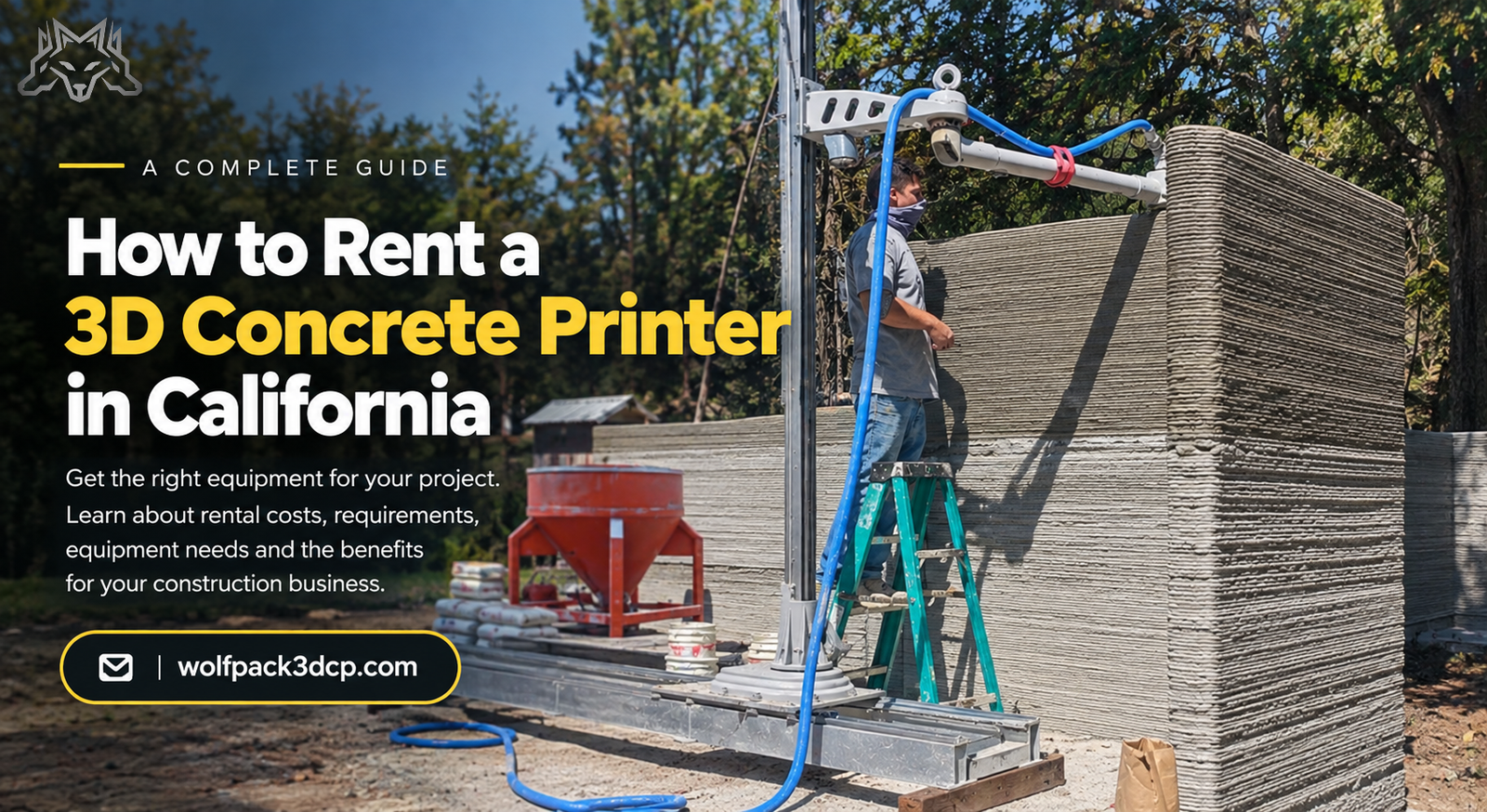
In California, construction experts are finding new ways to enhance project planning, meet labor needs, and introduce new building processes to their construction projects. 3D Concrete Printers are a different way of laying down concrete by creating buildings layer by layer using digital designs.
For construction experts, renting the machine gives them a chance to test whether the machine fits their construction projects without making any major purchases. But renting is more than just choosing a machine. You need to consider things such as project requirements, cost of rental, conditions of the construction site, material that will be used in the construction, and even the support required for the machine to work well.
What Is 3D Concrete Printing?
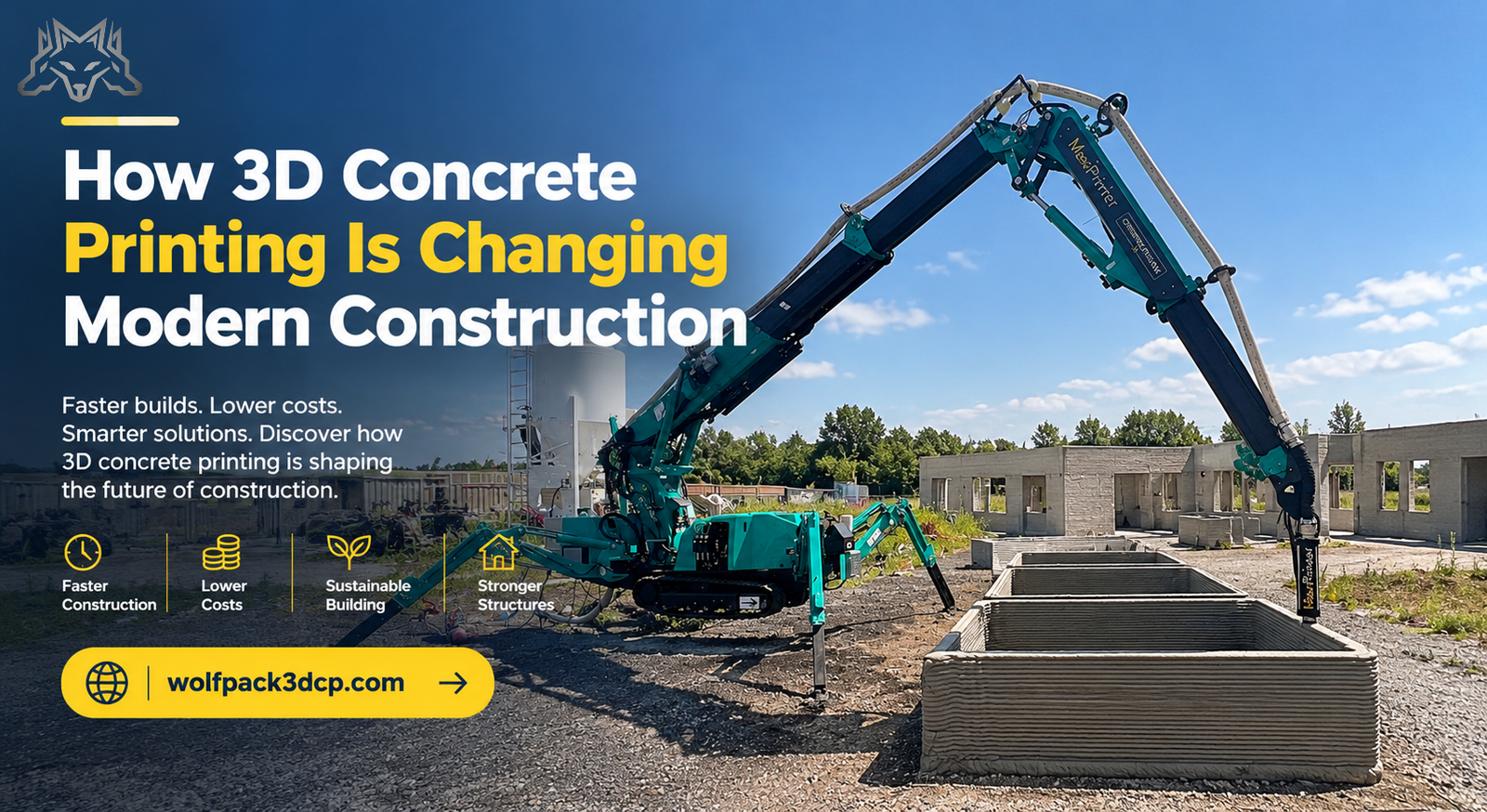
The 3D concrete printing process involves using automatic machinery that deposits specially formulated concrete or cement mixture as per a computer-aided design. Contrary to formworks used in traditional construction methods, the printing equipment layers concrete material in order to form the required shape.
It can be applied for various uses such as walls, structures, and some building components depending on the type of printer, material, engineering specifications, and design.
3D Construction Printing refers to a single process comprising of digital modeling, material processing, equipment operation, and construction logistics. The machinery must conform to the design and keep a steady supply of materials as well as appropriate layering of materials.
For California contractors, renting of a 3D concrete printer could be an option for experimentation with 3D Printing in Construction before considering equipment acquisition.
Why Should One Rent a 3D Concrete Printers Rather Than Buy?
Buying any specialized construction machinery involves considerable investments, including factors such as storage space, maintenance, training of operators, and future usage of the machinery. Renting is a more flexible solution for situations where one wants to implement the machinery for a particular project or just assess its potential.
It may be especially helpful for construction companies that are just beginning to work with Concrete 3D printers.
Key benefits include:
- Lower initial commitment: Renting avoids the need to purchase the entire machine before testing its suitability.
- Project-based planning: Contractors can explore equipment access for a defined construction phase or project.
- Technology evaluation: Teams can assess the printing process, material requirements, and workflow before considering ownership.
- Reduced long-term equipment responsibilities: Depending on the agreement, some maintenance, technical support, or setup responsibilities may be handled by the rental provider.
- Greater flexibility: Businesses can evaluate different project applications without automatically adding a permanent asset to their equipment inventory.
These benefits are contingent on the rental contract as well as the nature of the projects being carried out. Rental doesn’t always imply that there is no training, site preparation, cost of materials, or any equipment considerations.
How Much Would It Cost to Lease 3D Concrete Printer in California?
The leasing cost of the 3D concrete printer will depend on the chosen equipment, lease period, level of difficulty of the work, transportations and other services included in the agreement. There is no general price that could be applied to all construction projects, therefore it is necessary to ask for quotation for your specific construction project.
There are several factors which could influence the total lease cost:
Type of the equipment and its abilities
The selected equipment should be compatible with the construction project. Different printers are used for different constructions, sites and sizes of the project.
The special equipment or additional systems could increase the overall leasing cost.
Period of the lease
The cost of short lease period for certain stage of the printing could differ from the cost of long lease period. During the comparison of the quotes you need to consider the period of the lease, delivery and returning date and conditions.
Take into consideration that you need time for preparing for 3D printing as well. Do not allocate money just for the printing process itself.
Transportation and Site Preparation Costs
The transport and set up of the equipment to a construction site located in Los Angeles, Long Beach, or another Southern California location will likely have costs of transportation, loading, unloading, and set-up.
Find out if these costs are covered by the quotation or if they will be charged separately. Other issues that could affect cost include site access, conditions of the ground, working space, and requirement for other equipment.
Material and Technical Assistance
Materials used for printing should comply with material requirements and performance standards of the equipment and project, respectively. Material preparation, pump systems, supplies, operator assistance, and technical assistance may be other costs that depend on the specifics of the deal.
Request a detailed estimate of the costs before signing the deal.
Requirements for Using a 3D Concrete Printer on Hire
Advance preparations can help prevent avoidable delays and ensure an efficient process of renting the equipment. Before opting to hire 3D Construction Printer for Rent, go through the below-listed requirements with the equipment provider as well as with respective professionals of your project.
Define the Project Scope
Begin by figuring out what you want to print and how much of that, its dimensions, complexity of designs, number of items, and other such information to share with the provider along with drawings and other relevant project design information.
Knowing the intended use of the equipment will be helpful to understand whether it is right for the job.
Site Condition Checks
The 3D concrete printer requires a right working site which is accessible, has right ground conditions, and sufficient space for storing materials as well as other related equipment.
If it is a construction site where work is in progress, then make sure the space is coordinated with all trades.
Verify Design & Engineering Requirements
The creation of a printable digital model is only one component of a building ready project. You will need to consider aspects related to structural performance, material properties, required reinforcement, connections, and building codes.
Consult with a design and engineering professional to verify that your method of construction meets your project’s specifications. Building permits, inspection, and code issues should be taken care of prior to starting your project.
Material and Workforce Planning
Verify the compatibility of printing materials with your chosen printer, as well as those who will be tasked with obtaining, preparing, and controlling the material used. You should also verify your team’s understanding of the operations of the equipment.
Ask the equipment supplier for a detailed description of responsibilities, set-up process, and available technical support.
Selecting the Proper Concrete 3D Printing Machinery
Not all printers will work for all construction purposes. Choosing the proper Concrete 3D Printing Equipment needs to consider several factors, including the application purpose, size, material dispensing system, digital process, and practical site considerations.
Things to think about:
- Printing capacity: Check whether the equipment can accommodate the dimensions and geometry of the planned work.
- Material compatibility: Confirm that the printer supports the specified printable concrete or cement-based mixture.
- Site suitability: Evaluate transportation, setup requirements, available space, and site conditions.
- Digital design compatibility: Determine which file formats and design preparation procedures the equipment requires.
- Operational support: Establish who handles installation, calibration, training, troubleshooting, and routine checks.
- Project integration: Confirm how printing will fit into reinforcement, inspections, curing, finishing, and other construction activities.
The discussion with the service provider helps in determining any limitations prior to equipment arrival. Contractors are able to make comparisons of the Rental Equipment based on the practical project requirements rather than concentrating only on the equipment alone.
Advantages of 3D Construction Printing for California Construction
There are often tight schedules, site restrictions, and design details involved in California construction projects. Depending on the use of the technology, 3D Construction Printing may be advantageous compared to regular construction techniques.
Potentially Less Reliance on Regular Formwork
Since the printing machine places materials based on a digital path, some designs may need less conventional formwork than what regular building requires. This will depend on the structure, finish requirements, and construction technique used.
Increased Design Options
With digital modeling and automated material placement, some customized, complex, or curved components are possible. This might be advantageous to architects and developers looking to explore design options.
Greater Control over Material Placement
Since the printing machine relies on programmed movement paths, an automatic placement procedure becomes possible when there is proper equipment and material control. Quality checks become essential.
Labor Evaluation Opportunities
Automation has the possibility of changing the allocation of labor in placing concrete. However, printing will still require people to prepare the materials, run the equipment, monitor quality, manage the construction site, and perform other related activities.
Contractors interested in implementing 3D Printing in Construction can do so on a rental basis to determine the effectiveness of the above factors without necessarily taking everything for granted.
Why Should I Consider WolfPack 3DCP Rental in California?
Contractors looking to embark on projects in Southern California can examine WolfPack 3DCP’s California rental to see what equipment is available and to see whether it fits into their construction plans.
It will be very helpful for your discussion of scope of work, equipment suitability, renting and how a printer gets onto your site using WolfPack 3DCP’s California 3D concrete printer rental service.
Prior to making any commitment, you should get ready your plans, rough dimensions, time plan and material specifications. This could help you assess whether the available equipment fits and what additional information you need for a quote.
You could go to the WolfPack 3DCP website to know more about the equipment and services they offer.
Frequently Asked Questions:
How much does it cost to rent a 3D concrete printer in California?
It depends on the type of equipment to be rented, length of rental, size of the project, transportation services needed, materials and technical assistance. For more information, please contact WolfPack 3DCP according to your project needs.
What are the necessary requirements for renting a 3D concrete printer?
The following is necessary:
– A defined project scope;
– Construction site;
– Suitable construction materials;
– Digital files;
– A clear schedule of works.
What kinds of projects can be printed using a 3D concrete printer?
Selected applications can include the following:
– Walls;
– Architectural elements;
– Some building components.
What is the advantage of leasing a 3D construction printer over purchasing one?
A lease can lower the initial capital cost, give access to specialist equipment for particular projects and help assess the technology prior to purchasing. The details of the lease will dictate what kinds of setups, trainings and technical assistance are included.
Contractors based in Los Angeles, Long Beach and the surrounding areas may consider using the WolfPack 3DCP California lease facility.
Where do I lease a 3D concrete printer in Southern California?
Conclusion:
When you need to rent next time, consider your requirements, budget, and site preparations to make the best decision. WolfPack 3DCP offers California contractors the opportunity to evaluate their needs for equipment rental and determine whether this technology is suitable for their construction needs.
To make a proper decision, it is necessary to consider the price of renting the equipment, compatibility with materials, responsibilities of the operator and the company itself, and feasibility of the construction process in terms of engineering and buildings regulations. It will help your team get real advantages and avoid extra costs and problems.
Ready to evaluate your possibilities? Check the rental service of California or contact the company via its website to find out your requirements.
WolfPack 3DCP